Become a Certified Occupational Health and Safety Professional
Are you ready to take the next step in your career and make workplaces safer? Becoming a certified safety officer is not only a smart move for your professional growth, but it’s also a vital role in industries that value compliance, risk management, and employee well-being. Whether you’re starting from scratch or looking to enhance your qualifications, enrolling in occupational health and safety courses can equip you with the skills and certification needed to lead safety initiatives in any work environment. From construction sites to corporate offices, safety officer training is in high demand.
What is a Safety Officer and Why Certification Matters?
“A safety officer is responsible for ensuring that workplace environments comply with health and safety regulations by identifying potential hazards, implementing safety protocols, and training employees to maintain a secure and compliant working environment.”
Role and Responsibilities of a Safety Officer:
- Conduct regular safety inspections and audits
- Develop and enforce health and safety policies
- Investigate accidents and implement corrective actions
- Provide safety training and awareness programs
- Ensure all safety equipment is maintained and used properly
- Prepare reports for internal use and regulatory bodies
Legal & Compliance Requirements (Global Standards):
Safety officers must be trained and certified according to regional or international compliance standards, such as:
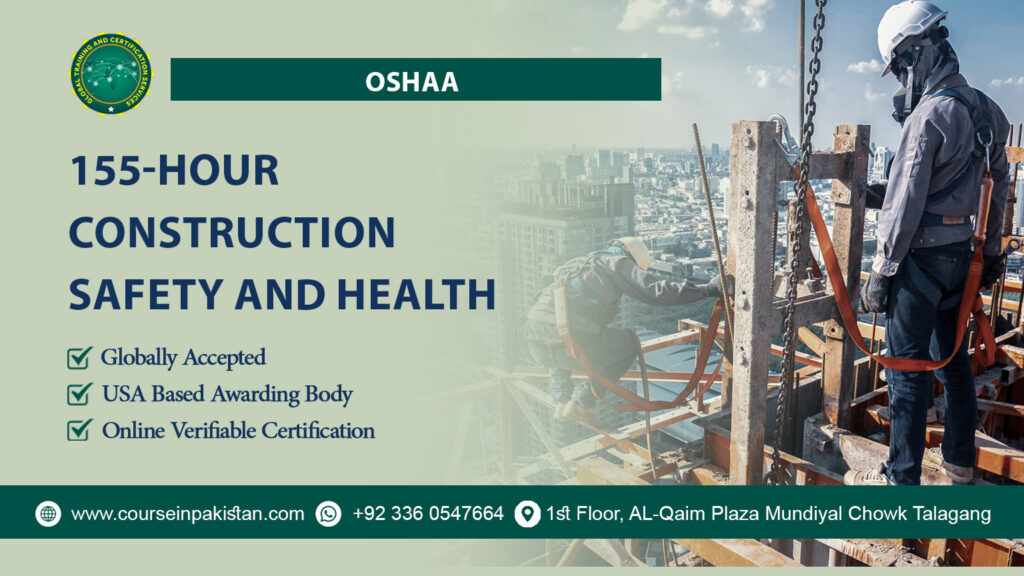
- OSHA (Occupational Safety and Health Administration) – U.S. regulatory standard
- IOSH (Institution of Occupational Safety and Health) – UK-based body for safety professionals
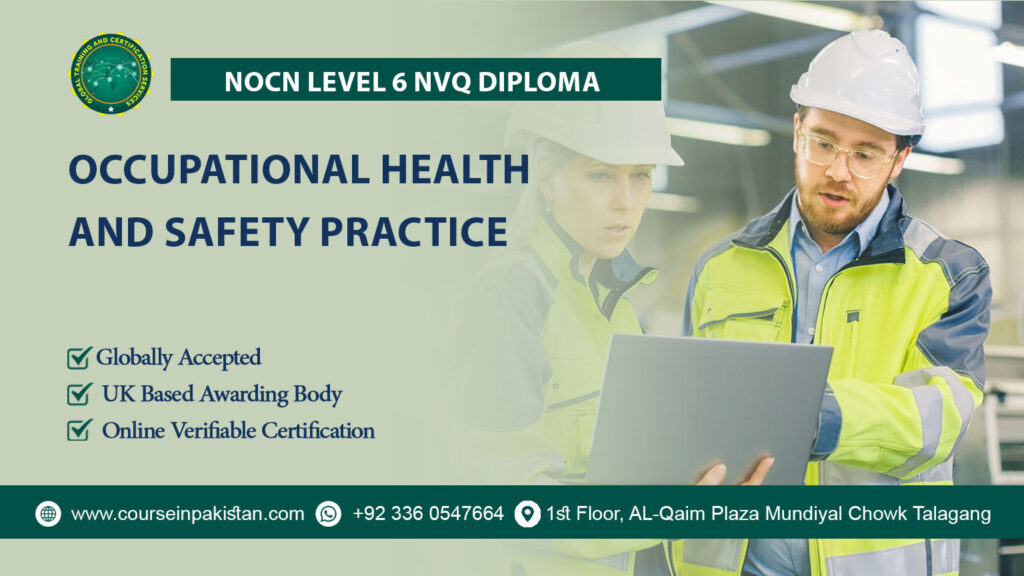
- NVQ (National Vocational Qualification) – UK competency-based safety qualification
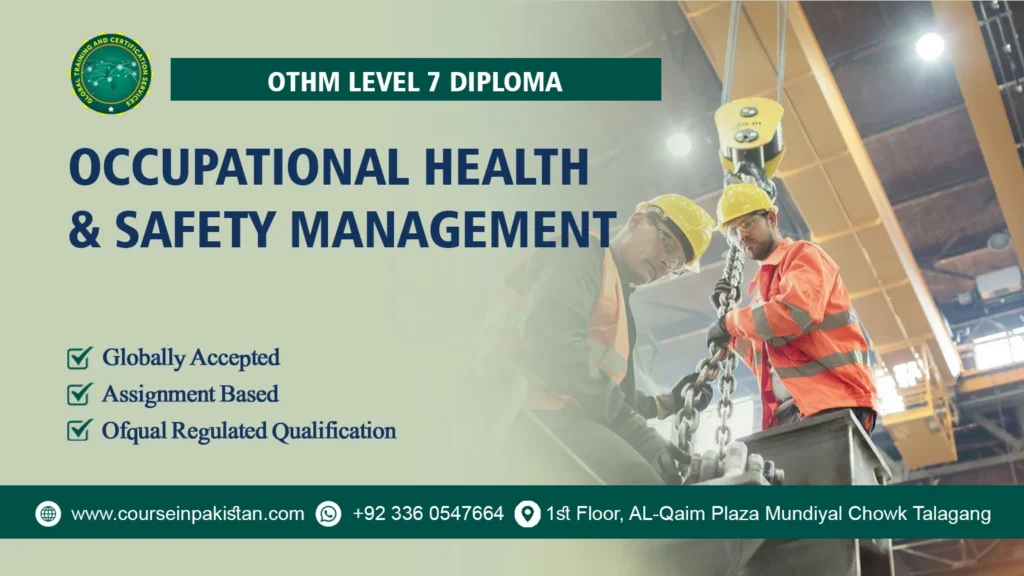
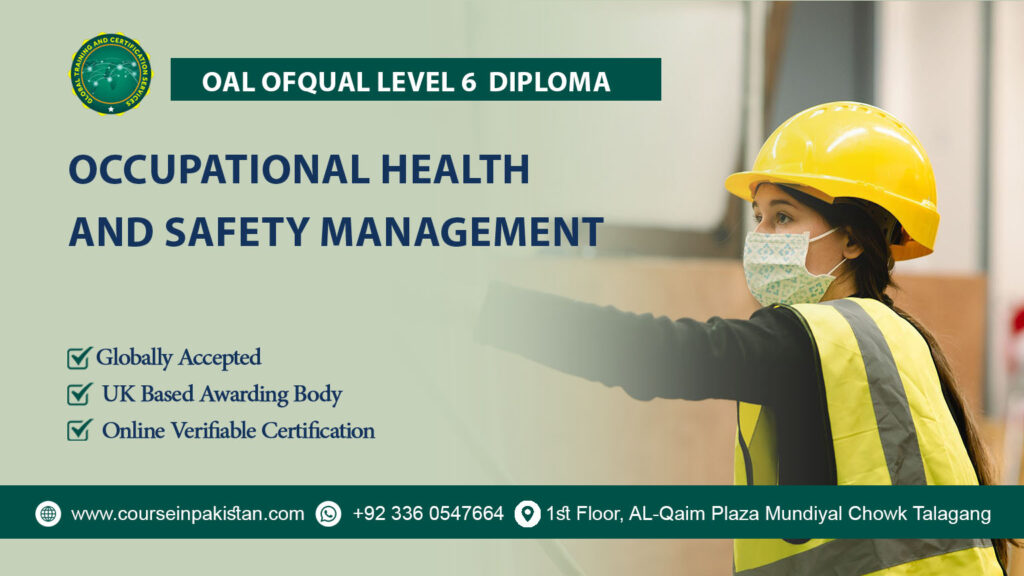
- OTHM Level 6 Diploma in Occupational Health and Safety – Globally recognized professional diploma aligned with IOSH and GradIOSH membership
Certification ensures professionals are equipped with the knowledge to comply with legal safety frameworks and prevent liabilities.
Why Certification Matters in Today’s Job Market:
- Certified professionals are preferred by employers in construction, oil & gas, manufacturing, healthcare, and logistics
- Certification increases chances of career progression to HSE Manager, Safety Trainer, or Compliance Lead
- Adds credibility and trust when managing safety programs or audits
- Helps organizations meet local and international legal obligations
In a competitive job market, having recognized safety credentials sets you apart as a competent and reliable safety leader.
Top Internationally Recognized Safety Officer Courses
Choosing the right safety officer course can significantly influence your career path and global job opportunities. Whether you’re just starting out or upgrading your skills, these courses are widely respected by employers and regulatory bodies worldwide.
Comparison of Leading Safety Officer Certifications
| Course Name | Level | Ideal For | Recognized In | Duration |
|---|---|---|---|---|
| International General Certificate | Intermediate (Level 3 equiv.) | Aspiring HSE officers, managers | Worldwide (especially UK, Middle East, Asia) | 6–12 weeks (120 hours) |
| IOSH Managing Safely | Introductory | Team leaders, supervisors | UK, GCC, Asia | 3–5 days |
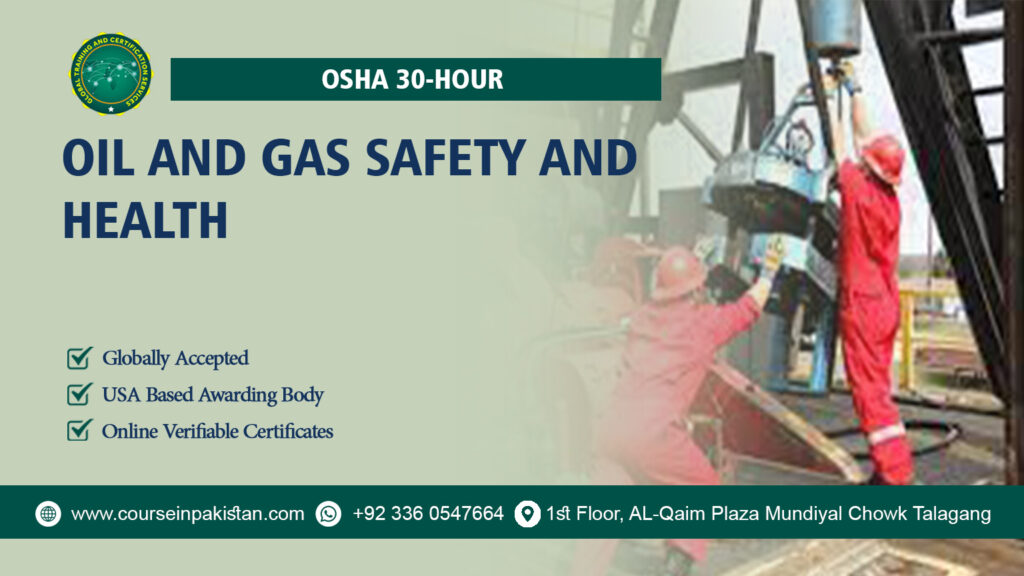
| OSHA 10/30/48-Hour Courses | Beginner to Advanced | Workers, supervisors, site engineers | USA, Middle East, Asia | 1–6 days |
| OTHM Level 3 / 6 / 7 in OH&S | Levels 3 to 7 | Beginners to advanced safety professionals | UK, EU, Asia, Africa | 3–12 months |
| NVQ Level 3 / 6 / 7 in OH&S | Levels 3 to 7 (Competency-based) | Experienced professionals & managers | UK, Gulf countries | Varies (portfolio-based) |
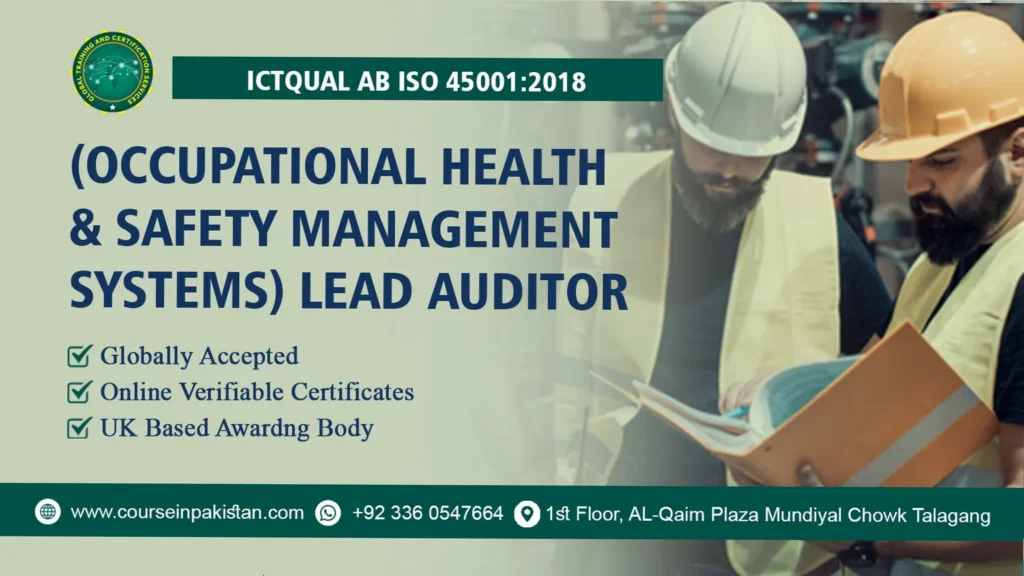
| ISO 45001 Lead Auditor Course | Professional / Auditor | Safety auditors, consultants, managers | Global (certification bodies) | 5 days |
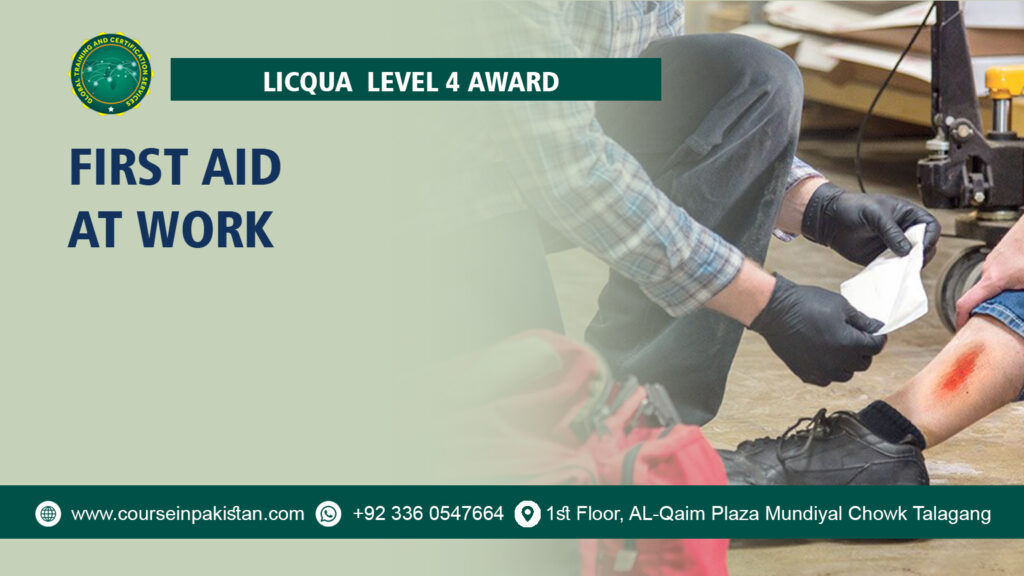
| Fire Safety & First Aid (BLS) | Entry-Level Certification | All staff, especially emergency responders | Universal (by local bodies) | 1–3 days |
| Working at Height, Confined Space, Rigger, Permit Receiver | Job-Specific Training | Site workers, maintenance, oil & gas crew | Industry-specific globally | 1–5 days |
Which Course is Right for You?
- New to the industry? Start with IOSH Managing Safely or OTHM Level 3.
- Mid-career HSE professional? Consider IGC or NVQ Level 6.
- Looking to audit and lead? Go for ISO 45001 Lead Auditor Course.
- Field-specific roles? Choose targeted training like Confined Space Entry, Work at Height, or Permit Receiver.
Make sure the course provider is approved or accredited by a recognized body (e.g., ProQual, NVQ, IOSH, OSHA).
Who Should Enroll in These Courses?
Health and safety officer courses are not limited to one sector—they’re designed for a wide range of professionals and career paths. If you fall into any of the following categories, these certifications can significantly enhance your qualifications and job prospects:
- Career Changers
Looking to switch from general roles into a specialized, in-demand profession with global opportunities. - Construction & Oil and Gas Professionals
Site engineers, supervisors, and field workers needing compliance knowledge for high-risk environments. - HR Officers & Internal Safety Auditors
Professionals involved in company compliance, workplace training, or employee risk management. - University Graduates in Engineering or Sciences
Fresh graduates seeking a professional edge and access to international job markets. - Supervisors and Team Leaders
Responsible for ensuring safety compliance at the team or departmental level. - Logistics, Manufacturing, and Industrial Staff
Workers operating heavy machinery or exposed to chemical/mechanical hazards.
Pro Tip: Many employers now require at least basic safety certification (e.g., IOSH or OSHA) before hiring for operational roles.
Career Opportunities After Certification
Completing a recognized occupational health and safety course opens the door to a wide range of global career paths in both the public and private sectors. Depending on your certification level and experience, here are some of the most common roles you can pursue:
- HSE Officer
Responsible for implementing and monitoring health, safety, and environmental programs at site or corporate levels. - Safety Auditor
Conducts formal safety audits, ensures regulatory compliance, and reports on safety performance and gaps. - Safety Trainer
Delivers safety training sessions, toolbox talks, and induction programs to employees and site workers. - Occupational Health Manager
Oversees workplace health programs, risk assessments, and wellness initiatives across an organization. - Compliance Coordinator
Ensures all departments follow internal safety policies and national/international regulations. - Construction Safety Supervisor
Specializes in managing safety operations at construction sites and ensuring worker protection.
Tip: Certifications such as OTHM / NVQ Level 6, or ISO 45001 Lead Auditor significantly improve eligibility for mid-to-senior-level roles.
Final Thoughts – Is a Safety Officer Course Right for You?
If you’re looking for a career that combines purpose, global demand, and professional growth, becoming a certified safety officer could be the perfect fit. Whether you’re a fresh graduate, mid-career professional, or someone seeking a stable career change, these courses provide the skills, certification, and credibility you need to succeed in safety-critical roles across industries.
You should seriously consider enrolling if:
- You want to work in high-paying, regulated industries like oil & gas, construction, or manufacturing
- You’re passionate about protecting lives and ensuring workplace safety
- You’re aiming for international job opportunities and recognition
- You want a qualification that’s respected across borders
With certifications like NVQ, IOSH, OTHM, and ISO 45001, you’ll stand out in a competitive job market and play a vital role in reducing accidents and improving workplace health and safety standards.